Buy these fascinating stories of famous families and their relationships, in a handy pdf format (PC and Mac)
A genogram is a systemic version of a family tree. The handy symbols and organization of genograms enable one to identify and understand patterns and family history. Family therapist Monica McGoldrick and her colleagues have pioneered the development of this diagnostic tool as a method of helping to view family patterns past and present.
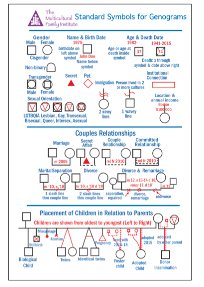
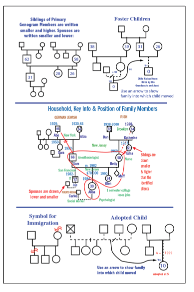
Genogram BasicsDownload the 4-page pamphlet, with all the current genogram symbols and information, for only $2.50.
Genogram Stories
Barack Obama
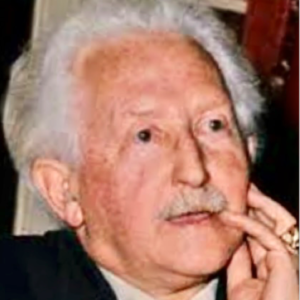
Perhaps it is not surprising that Barack Obama, having so many different cultures within himself, came to lead our nation at a time when the need to pull together our own diversity was becoming more apparent. Coming from a complex background, he struggled... Erik EriksonThe genogram of one of the most famous human development theorists, Erik Erikson provides an interesting illustration of the value of this tool for understanding people in life cycle context.
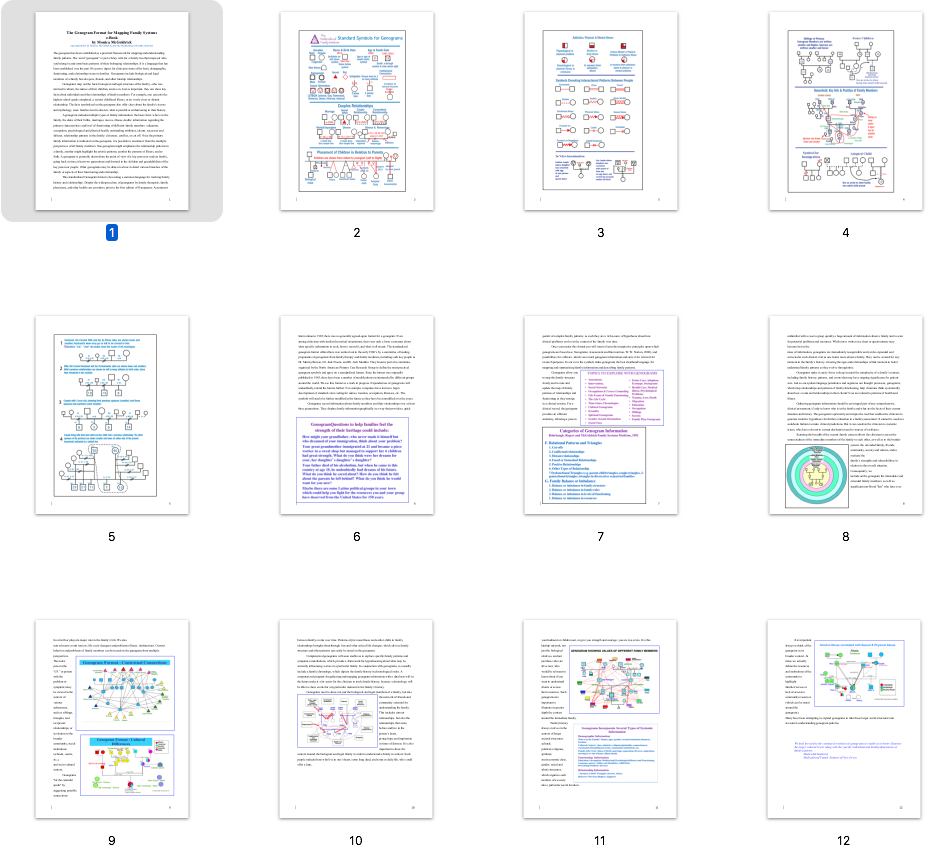
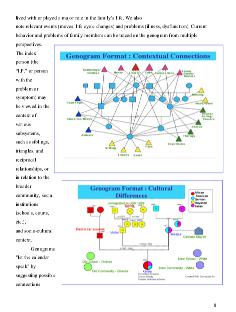
Here's a sample screenshot from the pdf file:
Though ... Mitt RomneyMitt Romney, Republican candidate for president was a successful businessman, CEO of Bain Capital, a leader in his regional Mormon community, who then became Governor of Massachusetts and is now running for president. Politics, business and religion run... Scott Joplin
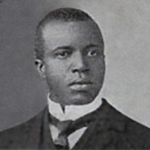
The Genogram Story of Scott Joplin
by Monica McGoldrick
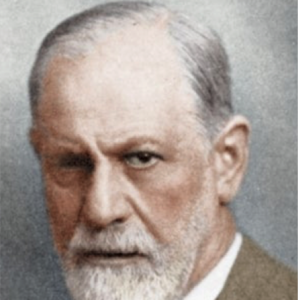
"Scott Joplin, the first African-American composer to fully develop his compositions into an American idiom, was the first of his family's children to be born after the end of slavery (1868).... Sigmund FreudTracking family history over the life cycle is a pivotal pathway toward understanding any person or family. Clinically it is particularly useful for clients to do the genograms for their family from a life cycle perspective in order to understand their... The Wright Brothers
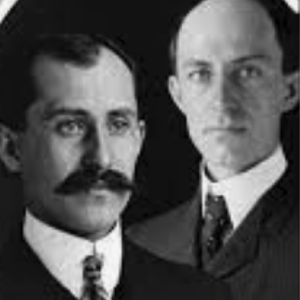
The Wright brothers, Wilbur and Orville, were described by their father as "inseparable as twins." Wilbur once wrote: From the time we were little children, my brother Orville and myself lived together, played together, worked together, and in fact,... Virginia SatirVIRGINIA SATIR’s GENOGRAM & NARRATIVE By Monica McGoldrick June 2011
Virginia Satir, the oldest of 5 siblings from a family of 4 German immigrant grandparents, appears to have had a mostly unhappy childhood, growing up in Nellsville, Wisconsin. S... |
About GenogramsGenograms: Assessment & Intervention (by McGoldrick, Gerson & Petry, W.W.Norton, 3rd editon, 2008) explains how to draw and understand genograms. The Genogram Journey: Reconnecting with Your Family (by McGoldrick, W.W.Norton, 2nd edition, 2010), explores changing your role in your family genogram through understanding your family’s patterns. Families discussed in the book include Presidents Obama, Clinton, Roosevelt, Adams, Bush, the Kennedys, and other famous families such as Freud, Beethoven, Frida Kahlo and the Fondas. These families illustrate couple patterns, intergenerational relationships, siblings, secrets, and loss.Genograms have become widely used in medicine, counseling, psychology, social work, and the other health fields. The symbols and format are evolving as genogram software develops. The original genogram standardization was developed by the North American Primary Care Research Group (Jack Froom, et al.) in collaboration with leading family physicians (Dr. Jack Medalie and colleagues) and family therapists (especially Dr. Murray Bowen and his followers). Our most exciting hope is for the development of research using genogram information as a database. An additional way of using genograms developed with Eliana Gil over the past decade involves using miniature play items as the family members. This expansion of genograms provides rich possibilities for helping family members explore their relationships and consider in a creative, metaphorical way, who they belong to (often including friends, pets, and at times multiple items to illustrate the best and the most difficult aspects of their relationships. |
![]() |
![]() |
![]() |
![]() |


Media Links